




🛠 Shop Books & Courses | 📜 Get Library Card | 🔮Live Support | 🪄 Tip the Oracle
After sharing, Why Cheap Websites Are Expensive (And How to Hire a Web Designer Without Regret), this is the conversation that needs to happen next.
Because here’s the uncomfortable truth no one likes to admit:
Most design projects don’t fall apart because the designer is bad.
They fall apart because communication is vague, emotional, or wildly misaligned.
And I say that as someone who can design.
I rarely take on graphic or marketing design work for hire anymore—not because I lack the skill, but because I lack the patience to decode sentences like:
“Can you make it pop… but softer… and more modern… but also classic… and I don’t know why I don’t like it, I just don’t.”
That sentence alone has shaved years off my life.
Designers who do client work full-time are saints. They are professional mind-readers translating fuzzy ideas into visual reality—often with incomplete information and unrealistic expectations.
So let’s fix that.
This guide will give you the minimum knowledge you need to communicate clearly with designers—web, graphic, marketing, social media, and anyone responsible for visually representing your brand.
They’ll love you.
You’ll get better results.
Fewer revisions. Less frustration. Less money burned.
Everybody wins.
The Designer Survival Kit: What You Need Before You Open Your Mouth
1. A Brand Kit (Not a Vibe)
Branding is not “a logo you like.”
Branding is the system your business uses to look recognizable and cohesive everywhere it shows up.
Think of it as the outfit your business wears in public.
A brand kit defines:
Color palette
Fonts
Logo usage
Shapes & visual patterns
Personality and tone
These rules ensure your website, social posts, business cards, and marketing materials all look like they belong to the same family.
Here’s the hard truth most small business owners don’t want to hear:
If your website, social media, and business cards only have one thing in common—and that thing is your logo—you do not have a brand.
You have a collection of unrelated visuals sharing a ZIP code.
Actionable Takeaway
If you don’t have a brand kit, stop expecting designers to “just know” what you want
Put your brand rules in one document
Give it to your designer before work starts
Talk through it together so they understand the why, not just the colors
Brand recognition only comes from consistency. Designers can’t create consistency without rules.

2. Know the Words You’re Using (or Don’t Use Them at All)
If you’re going to use artistic style terms, you need to be sure you’re using them correctly.
Five minutes on Google can save weeks of revisions.
Words like:
modern
contemporary
traditional
art nouveau
…have specific meanings in design, and they don’t always match how those words are used in everyday language.
A True Story (and a Cautionary Tale)
A friend of mine—an attorney starting her own firm—asked me to design a “modern” logo using her initials inside the scales of justice.
I paused. Knowing her personality, I suspected she meant traditional.
She insisted on modern.
So I designed a modern logo:
Clean lines
Minimal detail
Monochromatic or Limited Colors
Very Frank Lloyd Wright energy

She hated it.
Of course she did.
What she wanted was traditional design—ornate, symmetrical, inspired by 18th–19th century aesthetics, just like most courthouses and law firms.
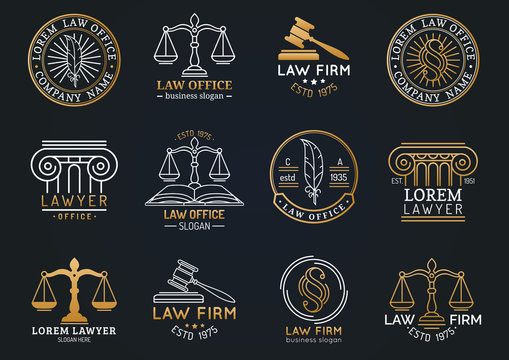
She wasn’t wrong about what she wanted.
She just used the wrong word.
Why Your Word Choice Matters
Designers assume that if you speak industry jargon, you understand it. If you don’t, misalignment is guaranteed.
Actionable Takeaway
If you use style terms, look them up first
If you’re unsure, skip the jargon entirely
Describe what you actually mean instead:
“Clean, simple lines”
“Ornate and formal”
“Minimal details with lots of white space”
Clarity beats confidence every time.

⏱ Sick of sitting on goldmine ideas you never have time to execute?
🧨 Ready to scale—but can’t afford to stall out in messy systems and tool hell?
🏁 Want things launched, built, integrated, and DONE—yesterday?
Let’s skip the slow lane. You’ve got a vision. I’ve got the firepower.
💣 I’m your secret weapon for getting sh*t done at scale.
Whether it’s your new lead gen funnel, your offer delivery flow, or your course backend—just point me at the goal. I’ll build the system and launch it.
🎯 High-impact. No micromanaging required.
You focus on selling. I’ll handle the systems that make it scalable.
Let’s build the thing that’s been living in your head.
3. Show, Don’t Tell: Use Visual References
Words like edgy, calm, playful, elegant, and luxury mean different things to different people.
Design is visual.
Communicate visually.
If you want:
Calm → show calm
Edgy → show edgy
Elegant → show elegant
Screenshots, Pinterest boards, Instagram posts—anything that visually represents what you’re aiming for.
Actionable Takeaway
Provide 3–10 visual examples
Explain what you like about them
Don’t assume designers will interpret abstract words the same way you do
This one step alone can cut revision rounds in half.
4. Give Feedback That Can Actually Be Used
If your feedback sounds like:
“It’s weird”
“Make it pop”
“I just don’t like it”
That’s not feedback. That’s emotional static.
Constructive feedback gives your designer something to build with.
Instead of:
“That font is ugly.”
Try:
“I want the font to feel more luxurious.”
Instead of:
“It doesn’t pop.”
Try:
“Can we increase contrast here?”
“Can we use a brighter brand color in this section?”
“Would a shadow help it stand out?”
Actionable Takeaway
Use design building blocks in your feedback:
Color
Font
Shape
Line softness or hardness
Contrast
Spacing
“I don’t like it” isn’t actionable.
“I want it to feel more ___” is.
5. Improvements, Not Mistakes
Designers are doing something incredibly difficult: translating an image from inside your head into something real.
The first draft is supposed to need revision.
If it needs a lot of revision, that’s usually a communication issue—not a talent issue.
Also: artists put themselves into their work. Even paid work.
Actionable Takeaway
Expect revisions
Frame feedback as improvements, not errors
Assume good intent
You’ll get better collaboration—and better results.
6. Tell Them What You Like (Yes, Really)
This isn’t about flattery.
Telling a designer what you like is data. It helps them understand your vision faster and repeat what’s working.
Actionable Takeaway
Point out elements you love
Be specific about why you like them
Positive feedback accelerates alignment.
7. Time Is Money (Even When Art Is Flat-Rate)
Design is usually billed as a flat rate—not hourly.
Which means:
Poor preparation costs the designer time
Enough wasted time eventually costs you money
Revisions are expected.
Revision #30 is not.
You don’t work for free.
Neither should they.
Actionable Takeaway
Prepare before the project starts
Be thoughtful with revision requests
Don’t change the entire direction late in the process and expect it to be free
Respect goes both ways.
8. Respect the Professional You Hired
This may sound contradictory after all the emphasis on specificity—but both things matter.
If you vetted a designer’s portfolio and liked their work, trust them.
Too little direction creates chaos.
Too much control creates mediocre work.
Your job:
Communicate the goal
Share the feeling
Set the constraints
Their job:
Make it beautiful
Actionable Takeaway
Set the vision clearly
Then step back and let them do what you hired them to do
Trust is part of the process.
Get Better Results, Maximize Your Investment
If you want better design outcomes:
Get a brand kit
Use accurate language—or simple descriptions
Show visual examples
Give constructive feedback
Respect time and expertise
Trust the professional
Design doesn’t have to be painful.
But vague communication is expensive.
If This Article Felt Uncomfortably Familiar
If you recognized yourself in any of this—
the vague feedback, the endless revisions, the quiet frustration of paying for work that almost feels right—you’re not alone.
Most small business owners were never taught how to hire designers or how to work with them once they do. We’re expected to just figure it out—usually the expensive way.
That’s why I created How to Work With Web & Graphic Designers Without Getting Burned.
It’s a practical, no-fluff resource that covers:
How to evaluate designers before you hire them
How to communicate your vision clearly and confidently
How to avoid common (and costly) missteps
And how to build a professional working relationship that actually works
Think of it as the parts everyone assumes you already know—but almost no one explains.
You don’t need it to survive a design project.
But it can save you time, money, and a lot of unnecessary frustration.
It’s there if you want a clearer path forward.
🧹 Need Help with Your Creative Project?
If it can be designed, laid out, written, or built in Canva, I can make it real.
Web pages, ebooks, slide decks, social graphics, client materials, internal tools—done with strategy, restraint, and a clear point of view. And now that you know how to communicate with me clearly, will you be selected as my next client?
Stay Magical,
Cheryl

🛠 DIY Shop | 📥 Get Free Downloads | 🔮Live Support | 🪄 Sustain the Magic
P.S. Would you like to earn free access to The Library 📜 archives?
DISCLAIMER
Some outbound links may financially benefit me and the page through affiliate programs. The affiliate relationship doesn’t influence my opinion, and I would never endorse programs, products, or services I didn’t use, approve of or feel familiar with. So if you use it, I may get compensated — but there’s no additional cost to you.


